ISSN0718-5898
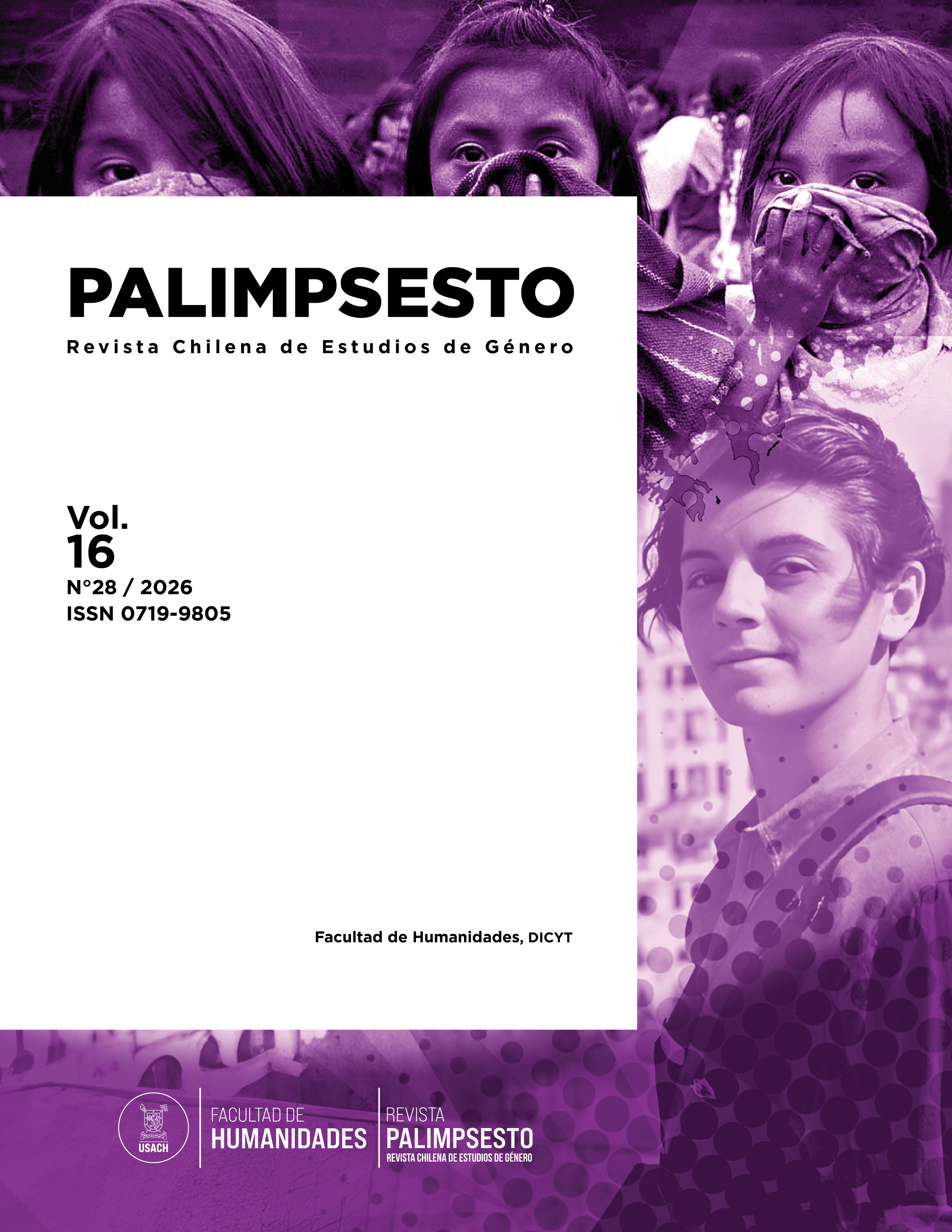
Vol. 16 No. 28 (2026): Vol. 16 Num. 28 (2026): SPECIAL ISSUE | Feminisms, utopias and the politics of the commons
From the last few decades onward, and especially with the mark left by the Zapatista movements in Mexico, the figure of the common has gained strength and permeated political discussion in contemporary social and feminist movements. Whether as a matrix of critical analysis for addressing the crisis of the classic models of transformation of leftist movements, or as resistance to the neoliberal advance and its new enclosures of the commons (education, health, technologies, etc.), the common has become especially visible—paradoxically giving rise to a world of communal relations and cooperation that are both archaic and novel, such as the web. Thus, the struggles for the common have become a strategic field of forces that prefigures new biological, social, and cultural forms of life, breaking with the limits of the capitalist, colonial, and patriarchal imagination.
Silvia Federici reminds us that “the first lesson we can learn from these struggles is that the ‘commoning’ of the material means of reproduction is the primary mechanism through which a collective interest and mutual bonds are created,” which requires, according to the thinker, moving beyond the abstract solidarity that often characterizes relations within the feminist movement. These struggles entail the production of ourselves as communal subjects. Unlike the classic categories of twentieth-century communitarian thought, the community to come does not operate on principles of identity or territoriality; it is neither a closed reality nor a grouping based on interests that separate it from others. Rather, it is a principle of cooperation and mutual responsibility beyond the human —with non-human organisms, the earth, forests, seas, and so on— and also beyond the present, implying responsibility towards future generations.
Published:
2026-06-30